
DOWNLOAD THE APP


Customer Services
Copyright © 2025 Desertcart Holdings Limited
DOWNLOAD THE APP
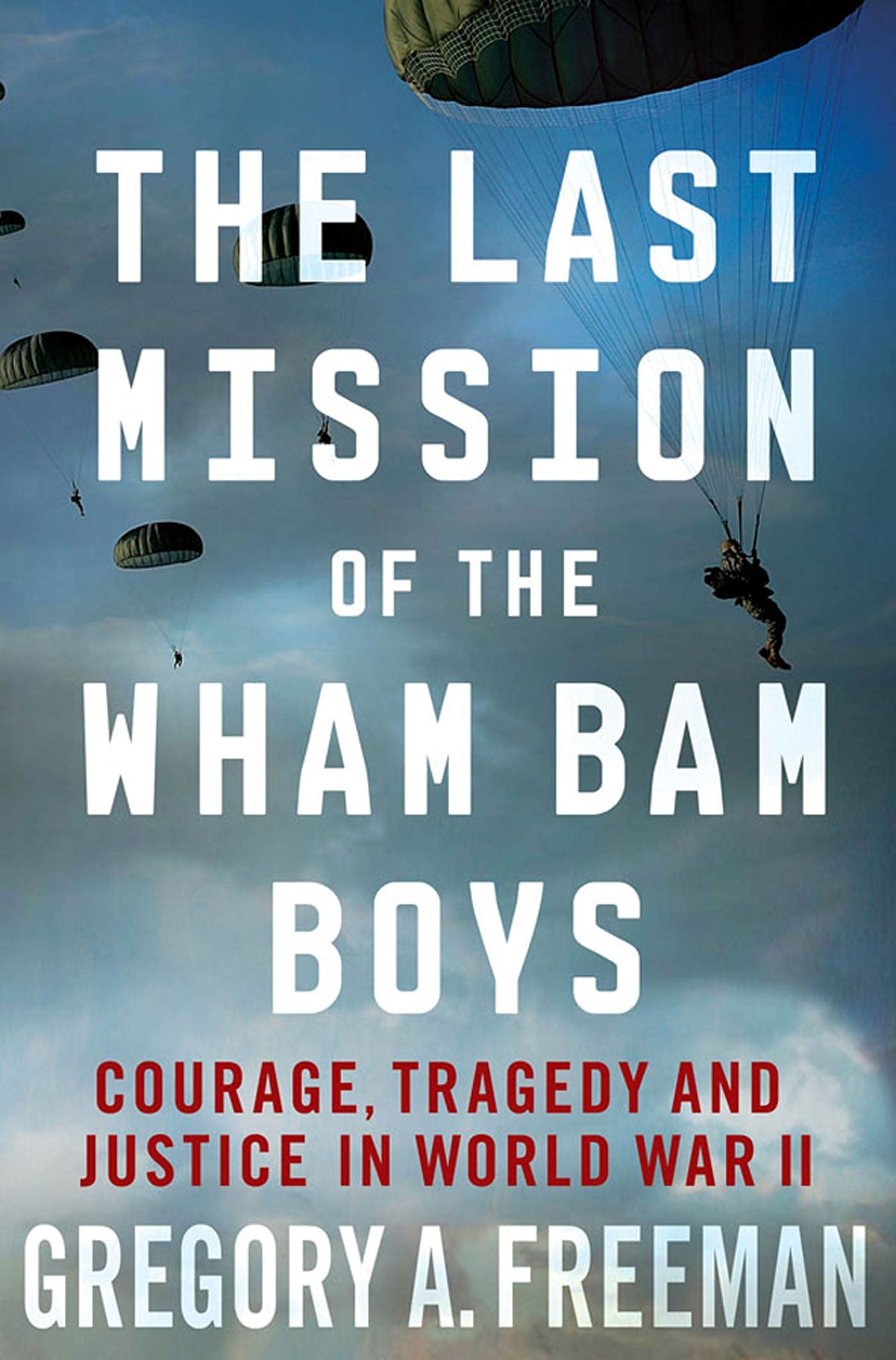
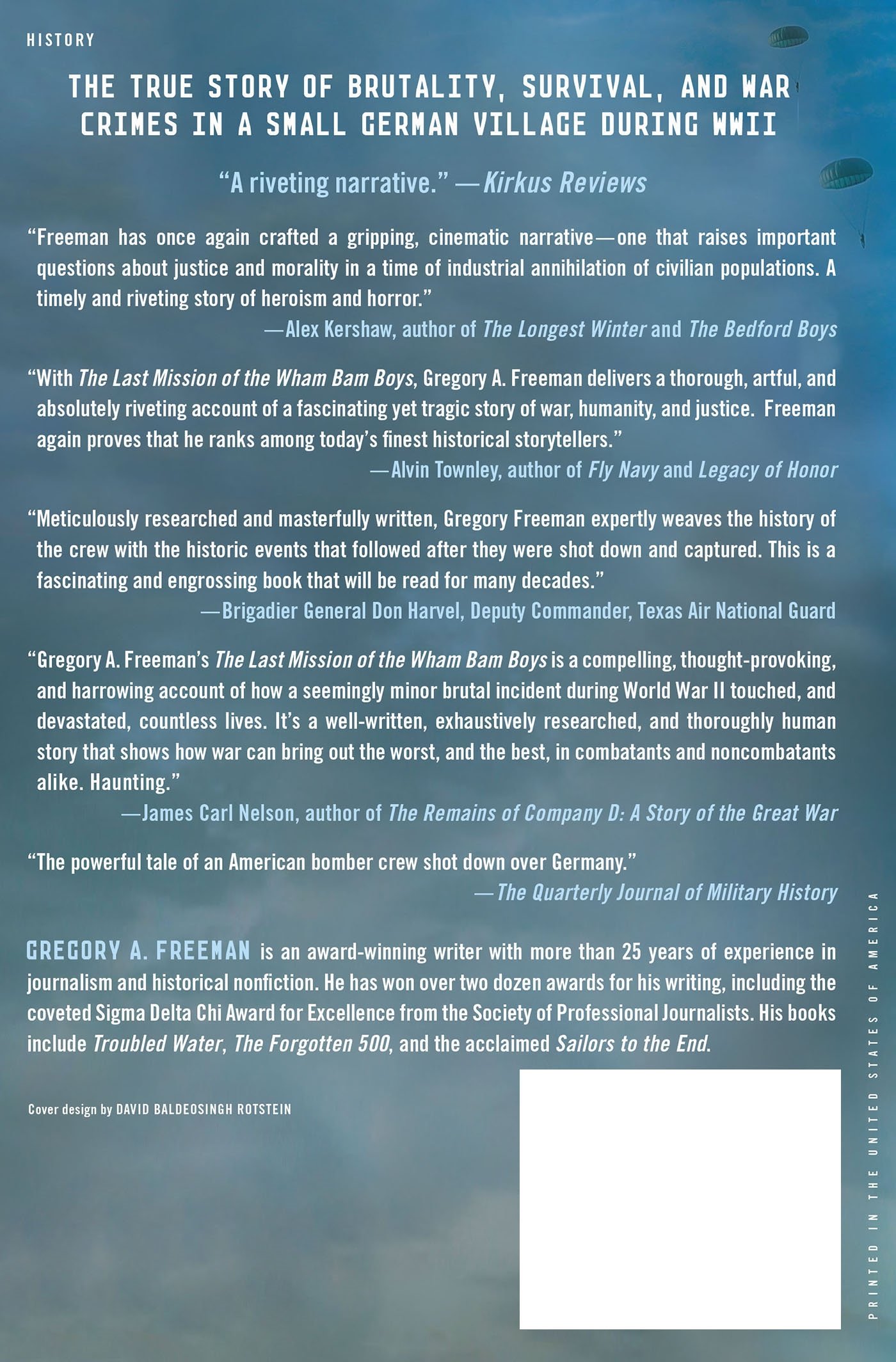
Full description not available
M**E
Riveting
This true story, which most have not read, in incredible. It teaches one about hate, death, and ultimately forgiveness and the strength of God.
C**B
Meticulously researched
Meticulously researched. Never realized this happened in Russelsheim when I was a military policeman there in 1987/1988. Good read. I give it a 3.5. I would give it a 5 if it explored how the US Army, Azbill Barracks and the post war order played a role in Russelsheim for 50 years literall a few blocks away. The research that went into this book probably earns the text a 4.0, maybe higher, but the author used lots of verbiage that just didn't frame things in an unbiased manner. The facts of this book are researched very well, particularly the court portions. The first half of the book sets up the horror these young airmen experienced. The second half of the book lays out an amazing legal drama. A good read that if it tied everything together could have been a great read.
A**C
A great tragic story that all WWII history buffs should know about.
This is the detailed account of how a German civilian mob descended upon a helpless POW US bomber crew and the horror of what happened. Freeman is a great writer and has done thorough research on the fate of each man and the German women and men of the frenzied mob who committed a murderous act so brutal that even the average SS man would cringe. The story is well developed and you get to know the crew of the WHAM BAM THANK YOU MAM. You also get to know the facts of what the German civilians of Ruesselsheim experienced in the previous nights RAF bombing to their city. "Bomber" Harris commander of the RAF bomber force sought to break the will of the Germans by indiscriminately fire bombing German cities each night. The will of the Ruesselheim population was not broken but in this horrifying documented episode the social fabric and moral order of a particular population of Germans unraveled and the animal rage that erupted resulted in a war crime almost too terrible to think about. But to honor the victims Freeman recreates with great exactitude the fate of these doomed airmen step by step as it unfolded. His account of the Dachau Trial of the Germans who committed the crime is in itself an important illustration of how we Americans melt out justice to the vanquished and I feel the military court was thorough and just. I highly recommend this to be read and it ought to be a movie.
R**S
Another Great One from Gregory Freeman
Another outstanding book from Gregory Freeman. I read Wham Bam Boys right on the heels of Freeman's The Forgotten 500. Freeman is not only a good writer, but also has a knack for picking really intriguing stories. Both of these two books are among the best books I have read in a long time. I even convinced my wife to read The Forgotten 500; she doesn't normally like war books, but was really impressed by this one. Having been gripped by those two, I just finished a long cruise where I also read three other of his titles: Lay This Body Down, Troubled Water, and Sailors to the End.All five books were well worth reading---I would rate Forgotten 500 and Wham Bam Boys at the top, closely followed by Lay This Body Down, and then Sailors to the End and Troubled Water.I will eagerly await coming new titles from Gregory Freeman.
J**M
True Heroes
This is a well researched and accurate account of a tragic event from WWII. While I had heard much of the story from my brother-in-law while he was alive, he left out many of the horrible details of his ordeal. Since I already "knew the story" - I was surprised to find that I could not put the book down until I'd read all of it. I have ordered copies of the book for my adult children. They saw their uncle as a hero in everyday life - and he and his comrades were true heroes in every sense of the word.Thank you Mr. Freeman!
E**R
A Missed Opportunity: 3.5 Stars
Let's face it, we don't need another WW II book about heroic airmen fighting and dying for their country. My bookshelves are chock full of such accounts already. What the Russelsheim story offers is an excellent opportunity to explore the quality of justice dispensed by the United States when it puts the conquered on trial. Here, unfortunately, the author provides very little insight, preferring, instead, to accept the sanctimonious, faith-based justifications offered by chief prosecutor Leon Jaworski for his handling of the Russelsheim case and the verdicts rendered by the military tribunal.There were so many questions that Mr. Freeman neglected to explore. Did the allies (especially the British) violate international law when they intentionally targeted the civilian population of Germany? If a leader of the German government advises the country's citizens that such bombings do constitute a violation of international law and, therefore, justify harsh and brutal treatment of allied airmen, are those citizens guilty of a crime if they rely on that advice? To what extent is it realistic to hold geriatrics and teenagers (the only ones still living in Russelsheim at the time) accountable for a proper reading and interpretation of the Geneva Convention? Why did legal counsel for the Russelsheim defendants fail to make these and other arguments? Could their lack of zeal be a function of their confessed belief, before the trial even began, that their clients were guilty?I do not mean to excuse in the least the conduct of the Russelsheim citizens who participated in these brutal killings. But by any measure of 20th Century justice, should two old ladies, after having just endured another evening of allied fire bombing, be sentenced to death by hanging for verbally encouraging their fellow citizens to beat the captured U.S. airmen? It is noteworthy that, according to Mr. Freeman, the three survivors of the Wham Bam crew felt that such punishment was inappropriate.In addition to more carefully analyzing the legal dimensions of the Russelsheim case, Mr. Freeman should have addressed some of the larger issues surrounding WW II war crimes trials. Are we pursuing justice or revenge when we choose to prosecute Hitler's henchmen for something that was not actually a crime at the time (at least Jaworski had enough integrity not to be a part of that charade)? Were the deaths of German soldiers in American P.O.W. camps investigated with the same diligence as those that took place in the German Stalags? Finally, how does it reflect upon us as a nation when we choose to turn a blind eye to far more heinous crimes committed by Japanese military personnel because we conclude, after the war, that we would rather have them as our friends in the cold war against the U.S.S.R. instead of punishing them for torturing our soldiers during the war (Laura Hildebrand's excellent book, "Unbroken" is a powerful example of political expediency trumping the demands of justice)? And finally, are we not the least bit hypocritical in pursuing justice in our capacity as victors while refusing to submit to the jurisdiction of the European Union's International Court of Criminal Justice? In other words, how would Americans feel about war crime prosecutions if they had lost the war?I don't mean to imply that I know the answers to these questions and I am not, for a moment, suggesting moral equivalence between the misdeeds of some American and the cruelty and mistreatment that were the official policies of the German and Japanese governments. I believe there is special place in Hell reserved for the leaders of those two nations who perpetrated those atrocities. But by not at least devoting a short chapter to the larger questions raised by U.S. war trial policies and procedures, Mr. Freeman missed a golden opportunity to do something much more than just tell another war story.
Trustpilot
2 weeks ago
3 days ago