
DOWNLOAD THE APP


Customer Services
Copyright © 2025 Desertcart Holdings Limited
DOWNLOAD THE APP
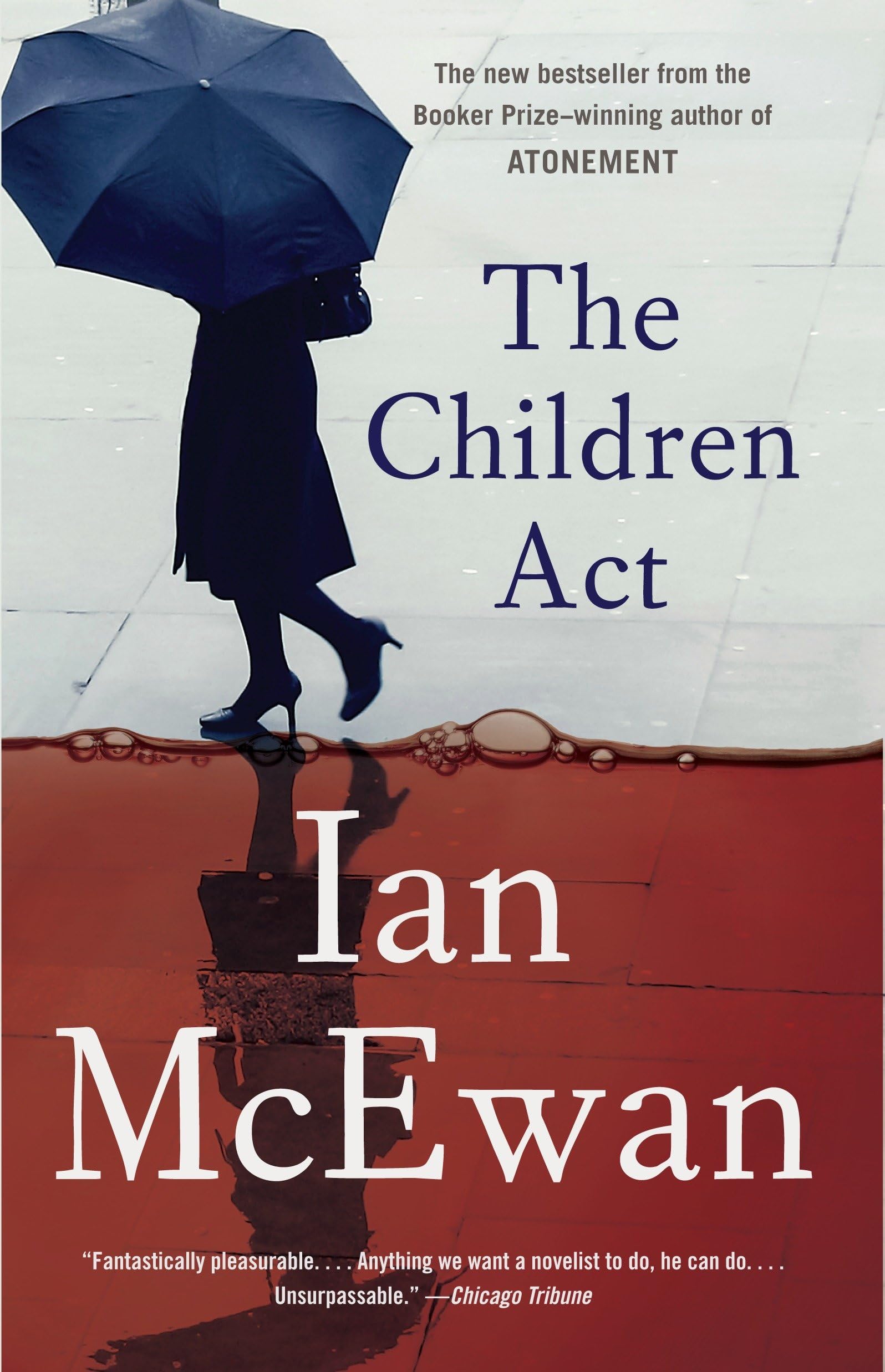
Buy The Children Act by Ian McEwan - Paperback by McEwan, Ian online on desertcart.ae at best prices. ✓ Fast and free shipping ✓ free returns ✓ cash on delivery available on eligible purchase. Review: Livro maravilhoso, em excelente estado como novo. Review: さすがにマキューアン、手慣れた感じは否めないが、心に残る小編である。 主人公フィオナは60歳の女性判事。子供もつくらずキャリアを積み、注目の裁判をいくつも裁定してきた有能な裁判官である。タイトルのChildren Actは彼女が遵奉する児童法であり、マキューアンはエピグラムにその文言「法廷は子供のwelfare福祉を第一とすべし」を引用している。 しかしこの小説のテーマは裁判にはない。法曹界の内情が知れるし、裁判の様子も描かれるが新味はない。エホバの証人の輸血拒否の裁判でも、著者は教義論争に深入りすることはない。むしろマキューアンは、法廷で理性を行使する法服のフィオナを描くことで、突然の夫の裏切りに動揺する生身のフィオナを鮮明にしようとする。 大学教授の夫はふたりのセックスレス生活を嘆き、老いる前の最後のチャンスに若い女性との恋愛を認めて欲しいと切り出す。理性的なフィオナが受け入れるべき当然の要求だというのだ。さすがのフィオナも、夫の子供じみた理不尽な申し出でに、怒りをあらわにする。 この熟年夫婦の亀裂に、健気で一途な少年が入り込む。宗教上の理由で輸血を拒否する白血病の少年である。フィオナは宗教のために死ぬのではなく生きるべきだと輸血を命ずる決定を下す。死をまぬがれた少年は、しかし、両親と周りの大人たちの偏狭な信仰生活に飽き足らず、生きる意味を求めて彼女につきまとう。 マキューアンは少年を詩才にあふれた早熟な美少年として描く。しかし同時に、独り善がりの世間知らずで、フィオナに「あなたと一緒に暮らしたい」と無謀な申し入れをする。さて夫と少年、この子供じみた二人の間でフィオナはどうするのか。 結局、彼女は裁判所の中では有能でも、一歩外にでるや少年の心を扱いかねる無能で不注意な大人に過ぎない。かつては、誤審判決を出した同僚を疎み、判事の偏見を嘆く同僚に苛立った彼女が、今や自分の欺瞞や無力を思い知る。法服を脱げば、そこにはコントロールできない自分の感情がある。そしてそれが、時に取り返しのつかない悲しい結末を誘発する。 フィオナは小説の最終場面で、ことの顛末を夫に告白しながら、「こんな私でも愛してくれる?」と夫の愛を確認する。まるで悪いことをした後の子供のようではないか。フィオナも夫も少年もまるで子供。children actが「児童法」ではなく「子供の行為」と読めてきそうだ。
| Best Sellers Rank | #142,273 in Books ( See Top 100 in Books ) #167 in Legal Thrillers #1,196 in Psychological Thrillers #8,895 in Literary Fiction |
| Customer reviews | 4.4 4.4 out of 5 stars (947) |
| Dimensions | 13.11 x 1.55 x 20.19 cm |
| Edition | Reprint |
| ISBN-10 | 110187287X |
| ISBN-13 | 978-1101872871 |
| Item weight | 1.05 Kilograms |
| Language | English |
| Print length | 240 pages |
| Publication date | 28 April 2015 |
| Publisher | Anchor |
M**A
Livro maravilhoso, em excelente estado como novo.
T**O
さすがにマキューアン、手慣れた感じは否めないが、心に残る小編である。 主人公フィオナは60歳の女性判事。子供もつくらずキャリアを積み、注目の裁判をいくつも裁定してきた有能な裁判官である。タイトルのChildren Actは彼女が遵奉する児童法であり、マキューアンはエピグラムにその文言「法廷は子供のwelfare福祉を第一とすべし」を引用している。 しかしこの小説のテーマは裁判にはない。法曹界の内情が知れるし、裁判の様子も描かれるが新味はない。エホバの証人の輸血拒否の裁判でも、著者は教義論争に深入りすることはない。むしろマキューアンは、法廷で理性を行使する法服のフィオナを描くことで、突然の夫の裏切りに動揺する生身のフィオナを鮮明にしようとする。 大学教授の夫はふたりのセックスレス生活を嘆き、老いる前の最後のチャンスに若い女性との恋愛を認めて欲しいと切り出す。理性的なフィオナが受け入れるべき当然の要求だというのだ。さすがのフィオナも、夫の子供じみた理不尽な申し出でに、怒りをあらわにする。 この熟年夫婦の亀裂に、健気で一途な少年が入り込む。宗教上の理由で輸血を拒否する白血病の少年である。フィオナは宗教のために死ぬのではなく生きるべきだと輸血を命ずる決定を下す。死をまぬがれた少年は、しかし、両親と周りの大人たちの偏狭な信仰生活に飽き足らず、生きる意味を求めて彼女につきまとう。 マキューアンは少年を詩才にあふれた早熟な美少年として描く。しかし同時に、独り善がりの世間知らずで、フィオナに「あなたと一緒に暮らしたい」と無謀な申し入れをする。さて夫と少年、この子供じみた二人の間でフィオナはどうするのか。 結局、彼女は裁判所の中では有能でも、一歩外にでるや少年の心を扱いかねる無能で不注意な大人に過ぎない。かつては、誤審判決を出した同僚を疎み、判事の偏見を嘆く同僚に苛立った彼女が、今や自分の欺瞞や無力を思い知る。法服を脱げば、そこにはコントロールできない自分の感情がある。そしてそれが、時に取り返しのつかない悲しい結末を誘発する。 フィオナは小説の最終場面で、ことの顛末を夫に告白しながら、「こんな私でも愛してくれる?」と夫の愛を確認する。まるで悪いことをした後の子供のようではないか。フィオナも夫も少年もまるで子供。children actが「児童法」ではなく「子供の行為」と読めてきそうだ。
D**T
I bought this book a while back but decided to save it for my holiday so that I could really focus on it. At 213 pages, it is reasonably short but I have very much enjoyed taking my time with it and Ian McEwan gives you so much to think about. Ashamedly this is my first Ian McEwan book but I am pretty certain that he's going to become a firm favourite. Fiona Maye is a deeply respected High Court judge; she is called on to try the case of a seventeen-year old boy, Adam Henry whose family is refusing treatment for Leukaemia as it would involve blood transfusions which are forbidden within their religion. Fiona goes to visit the dangerously ill boy in hospital to hear his side of the story and explain her role and thinking on the matter. This visit, quite unprecedented affects Adam and Fiona in very different and unexpected ways and the consequences of their discussion are felt long after the case has been closed. During this time, Fiona's marriage is in big trouble; whilst making momentous decisions about other people's lives, her own seems to be falling apart. The Children Act is one of the most interesting books I have read, there was so much to learn and think about; the story and the characters were extremely powerful and I feel they will stay with me for a long time. Considering the book is so short, Ian McEwan explores so many different avenues; religion, morality, love, choice, infidelity, ambition and desire. Fiona Maye is an extraordinary character; we know that she is highly intelligent from the job that she does yet she is also clearly human. Even though she is allowed to sit and pass judgement on other people's lives and choices, her life is far from perfect, a fact that she is very much aware of. I felt that Fiona's character raised so many questions in my mind. How can she truly stop her own personal life from affecting her professional judgement of Adam's case? I also think that it is so important that Fiona is a woman; she makes is abundantly clear that she chose her career over children. Even in this day and age it is very difficult for women to have it all, it appears that women have to sacrifice more than men if they want to climb to the top of the ladder. Would Fiona's thinking on Adam's case have been different if she had children of her own? The Children Act contains a lot of information on the legal system and I thought that it was fascinating. Every day people have their lives affected by people like Fiona, passing judgement on their actions. That is a huge responsibility we are placing on individuals, can they be right all the time? The Children Act was an absorbing, fascinating and powerful read. Ian McEwan's writing style is exemplary and I highly recommend this remarkable book.
A**R
A fake copy of the book, listed at full price
S**N
A good book is one that entices the reader, while provoking thought. The Children Act does just that. This book originally seemed like it was going to be about a bunch of court cases about divorced parents fighting for custody, but it took a darker turn when it began to focus on cases that involved the mortality of sickened children. The idea was first introduced with the court case about siamese twins that had to be cut apart, inevitably killing one of the two, but the story is brought to its climax with the court case about a Jehovah’s Witness, merely months away from 18, named Adam Henry who refuses blood transfusion that will save him from his leukemia. Judge Fiona Maye is forced to make a decision for this case while being infatuated by this teenage boy. During 2014, when this book was published, another book about radical Jehovah’s Witnesses came out called High as the Horses’ Bridles by Scott Cheshire. In the same realistic fiction genre, both of these books take a deeper look into religious ideologies and how they can be life or death. This genre pulls the reader into a fictional story that the reader can also see as a part of his/her own reality. This allows the reader to empathize with the characters of these stories and feel something while reading the novel. Though McEwan sometimes confuses the reader with his introduction of multiple insignificant characters at once with seemingly infinite different names to remember, this novel is still an outstanding one to read. The greatest accomplishment of McEwan was his ability to make Adam Henry’s life and tragic death in the most poetic way possible. His “suicide letter/poem” incorporate metaphors of Fiona as the devil fish and Adam’s religious life as the cross that he sinks. The awful death of someone so young put in a way that was beautiful. Ron Charles wrote a review of The Children Act on September 2, 2014 for The Washington Post. He claims that McEwan perfectly incorporated a religious theme without making the religious characters look ignorant and also claims that McEwan allowed Fiona to view differences in class and education in a sensitive way. This is untrue. Though still thought-provoking and wonderfully written, Fiona consistently ruled against religion and did confine these characters to the stereotype of extremists. She also does not see why certain people would live in a poor neighborhood, which is an elitist thought and shows a lack of empathy from her for those of different socioeconomic levels. Even though these ideologies are insensitive and hurtful, and McEwan does reduce Adam’s parents to “ignorant Bible-thumpers,” it is perfectly incorporated into the novel in a way that only adds to the complexity of Fiona as a character. The reader does not have to agree with a certain ideology presented in a novel to enjoy the novel itself. Charles is correct, though, that “The Children Act doesn’t enact the happy triumph of humanism. Instead, it recognizes how fragile we all are and how cautious we should be about disrupting another’s well-ordered universe.” Adam died because after Fiona collapsed the only life he had ever known, she did not give him support to fill the void that religion once filled, and Charles perfectly explained this in his review. The Children Act is a wonderful novel that is most definitely worth any reader’s time and money. This novel is for any reader that likes a realistic tragedy. McEwan’s thoughtful and poetic writing should attract all readers to The Children Act.
Trustpilot
1 month ago
3 weeks ago