We remain fully operational. Our teams are working around the clock to ensure your deliveries continue safely.

DOWNLOAD THE APP


Customer Services
Copyright © 2025 Desertcart Holdings Limited
DOWNLOAD THE APP
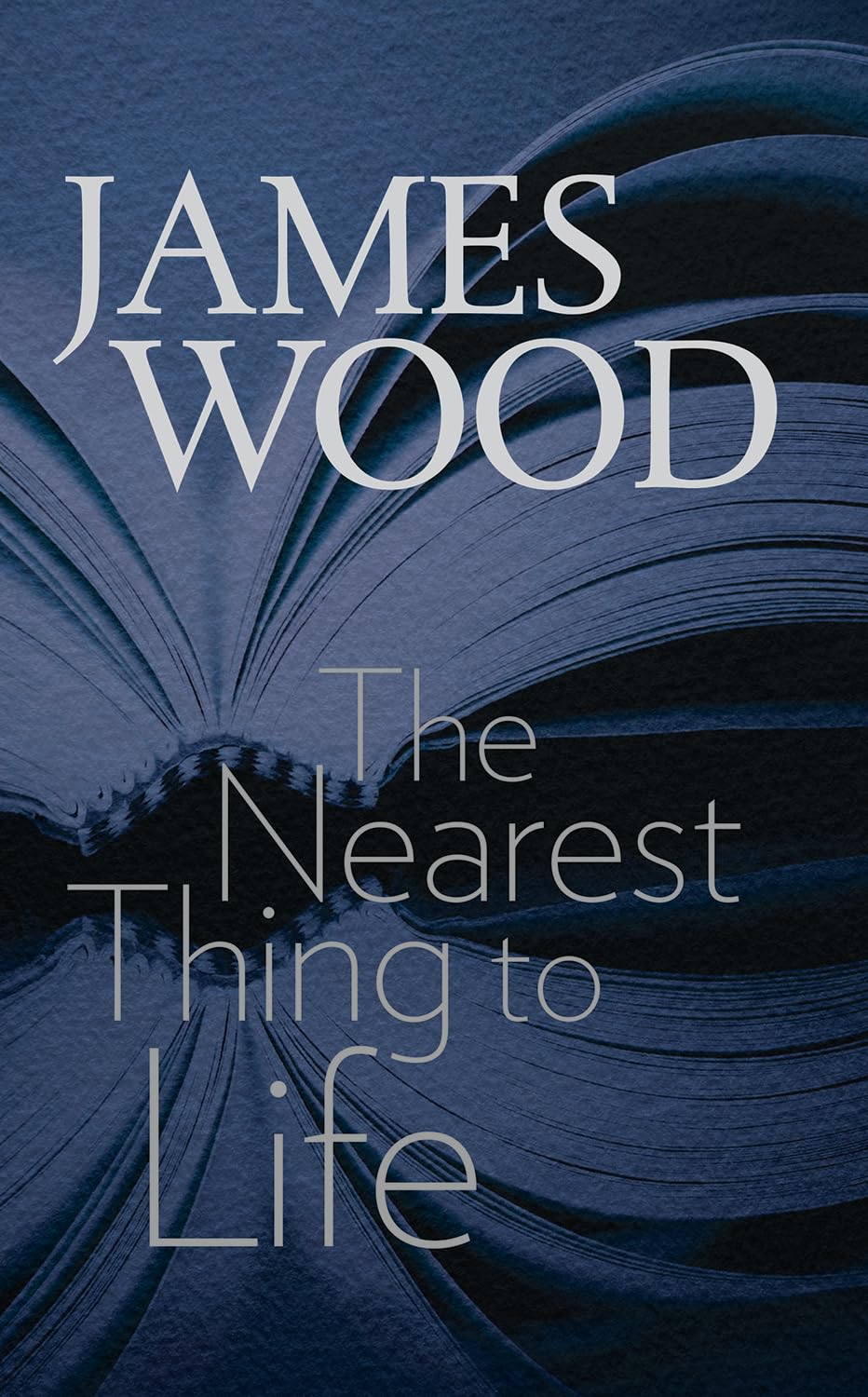
The Nearest Thing to Life (The Mandel Lectures in the Humanities at Brandeis University) [Wood, James] on desertcart.com. *FREE* shipping on qualifying offers. The Nearest Thing to Life (The Mandel Lectures in the Humanities at Brandeis University) Review: Life Itself - In a series of 4 elegantly written lectures, James Wood explores several reasons why writing and reading so vitally matter. Starting with a memorial service, which triggers thoughts regarding a theologic role for literature: "What I loved, what I love, about fiction is its proximity to, and final difference from, religious texts. The real, in fiction, is always a matter of belief - it is up to us as readers to validate and confirm. It is a belief that is requested, and that we can refuse at any time" (p.13) Wood takes different ideas and expands them to show how literature plays a role in letting us see the world and our place in it, in ways no other medium allows. His initial immersion and then rebellion from a deeply religious background color his ideas about reading (and the almost giddy escape to freedom of thought it allowed), which helps explain the seriousness with which he approaches the written word. These pieces are autobiographical, but only as a stepping stone to more universal themes dealing with what we look for from the experience of reading. As always, he is a close reader, and by pointing out particular images or turns of phrase he can illuminate the passage at hand or the entire work. He writes about the responsibilities of the critic in the chapter "Using Everything", and "of a critical retelling as a way of writing through books, not just about them" (p.84). He writes of the ability of the writer to be a serious noticer, of having the ability to see, where the rest of us merely look. And finally, he speaks of being a transplant to America, of home sickness and uses this to explore the current state of emigrant literature. I find it hard to believe that one can read James Wood and not be inspired to be a better reader, after getting a glimpse the layers of riches literature has to offer, and that most of us merely trample underfoot without taking the time to dig, unearth and wonder at. Review: The Nearest Thing to Life - This book is comprised of fours essays, three of which were actually given as lectures at the Mandel Center for the Humanities in Brandeis University. What the title refers to as the nearest thing to life is the art of writing. The book's epigraph is a quote from George Eliot: "Art is the nearest thing to life; it is a mode of amplifying experience and extending our contact with our fellow-men beyond the bounds of our personal lot." In the first chapter, we are presented with James Wood's absorbing notions on why the novel was born, and how it is like an attempt on the part of writers to become God -- overcoming death and the constraints and limitations of life . The second chapter entitled "Serious Noticing" focuses on the necessary characteristics by writers to produce great fiction. To those who are familiar with his book "How Fiction Works," they will see again here how powerful metaphors work and leave imprints on the readers' minds. The third chapter is about literary criticism, which also contains exciting information about the book that influenced him the most. The last chapter is surprisingly about being an "emigrant" or an exile in another country, which James Wood is, born and raised in England, who became an expatriate living in the US for almost 18 years now. Here James Wood talks wistfully about his early childhood life in northern England. I would say that among the books by James Wood that I've read, this one has the touch of being the most personal. Not only because it contains details regarding his childhood years, but also because in it, he discusses how important the art of fiction is to his life, and how it should be to ours. After reading the book, it felt like I've just had a very articulate conversation with a man who is not only truly intelligent, but who's also very warm and nobly affectionate. Some of my favorite quotes: "Often, in life, I have felt that an essentially novelistic understanding of motive has helped me to begin to fathom what someone else really wants from me, or from another person. Sometimes, it is almost frightening to realize how poorly most people know about themselves; it seems to put one at an almost priestly advantage over people's souls." "But perhaps we can bring back life, or extend life, here on earth, by doing the same: by applying what Walter Banjamin once called 'the natural prayer of the soul: attentiveness.'"
| Best Sellers Rank | #1,329,093 in Books ( See Top 100 in Books ) #833 in General Books & Reading #3,186 in Essays (Books) #25,826 in Memoirs (Books) |
| Customer Reviews | 4.4 out of 5 stars 99 Reviews |
C**S
Life Itself
In a series of 4 elegantly written lectures, James Wood explores several reasons why writing and reading so vitally matter. Starting with a memorial service, which triggers thoughts regarding a theologic role for literature: "What I loved, what I love, about fiction is its proximity to, and final difference from, religious texts. The real, in fiction, is always a matter of belief - it is up to us as readers to validate and confirm. It is a belief that is requested, and that we can refuse at any time" (p.13) Wood takes different ideas and expands them to show how literature plays a role in letting us see the world and our place in it, in ways no other medium allows. His initial immersion and then rebellion from a deeply religious background color his ideas about reading (and the almost giddy escape to freedom of thought it allowed), which helps explain the seriousness with which he approaches the written word. These pieces are autobiographical, but only as a stepping stone to more universal themes dealing with what we look for from the experience of reading. As always, he is a close reader, and by pointing out particular images or turns of phrase he can illuminate the passage at hand or the entire work. He writes about the responsibilities of the critic in the chapter "Using Everything", and "of a critical retelling as a way of writing through books, not just about them" (p.84). He writes of the ability of the writer to be a serious noticer, of having the ability to see, where the rest of us merely look. And finally, he speaks of being a transplant to America, of home sickness and uses this to explore the current state of emigrant literature. I find it hard to believe that one can read James Wood and not be inspired to be a better reader, after getting a glimpse the layers of riches literature has to offer, and that most of us merely trample underfoot without taking the time to dig, unearth and wonder at.
J**S
The Nearest Thing to Life
This book is comprised of fours essays, three of which were actually given as lectures at the Mandel Center for the Humanities in Brandeis University. What the title refers to as the nearest thing to life is the art of writing. The book's epigraph is a quote from George Eliot: "Art is the nearest thing to life; it is a mode of amplifying experience and extending our contact with our fellow-men beyond the bounds of our personal lot." In the first chapter, we are presented with James Wood's absorbing notions on why the novel was born, and how it is like an attempt on the part of writers to become God -- overcoming death and the constraints and limitations of life . The second chapter entitled "Serious Noticing" focuses on the necessary characteristics by writers to produce great fiction. To those who are familiar with his book "How Fiction Works," they will see again here how powerful metaphors work and leave imprints on the readers' minds. The third chapter is about literary criticism, which also contains exciting information about the book that influenced him the most. The last chapter is surprisingly about being an "emigrant" or an exile in another country, which James Wood is, born and raised in England, who became an expatriate living in the US for almost 18 years now. Here James Wood talks wistfully about his early childhood life in northern England. I would say that among the books by James Wood that I've read, this one has the touch of being the most personal. Not only because it contains details regarding his childhood years, but also because in it, he discusses how important the art of fiction is to his life, and how it should be to ours. After reading the book, it felt like I've just had a very articulate conversation with a man who is not only truly intelligent, but who's also very warm and nobly affectionate. Some of my favorite quotes: "Often, in life, I have felt that an essentially novelistic understanding of motive has helped me to begin to fathom what someone else really wants from me, or from another person. Sometimes, it is almost frightening to realize how poorly most people know about themselves; it seems to put one at an almost priestly advantage over people's souls." "But perhaps we can bring back life, or extend life, here on earth, by doing the same: by applying what Walter Banjamin once called 'the natural prayer of the soul: attentiveness.'"
W**S
Erudite and thoughtful.
Outstanding work. Erudite and thoughtful, a compelling analysis of exile and homesickness. Wood has a gentle voice and a deep understanding of how literature works covering a wide range of material from De Quincey to W.G. Sebald to Alexsander Hemon.
D**A
Only okay
He writes to weave a spell but after you've read a piece, you have difficulty remembering anything he said;
C**G
One of my favorite books
One of the best writers out there, his command of words and stories make this a book everyone should read
P**R
Reliable and on time
The item was delivered quickly, was well packed, and exactly as advertised. Thanks!
R**Y
... valuable book for writers - and a celebration of good fiction.
A very valuable book for writers - and a celebration of good fiction.
C**R
Don't Miss "All of It"
Superb reader and so much fun to trace his trails and and the books that have influenced him as a critic and human being.
Trustpilot
1 week ago
1 week ago