
DOWNLOAD THE APP


Customer Services
Copyright © 2025 Desertcart Holdings Limited
DOWNLOAD THE APP
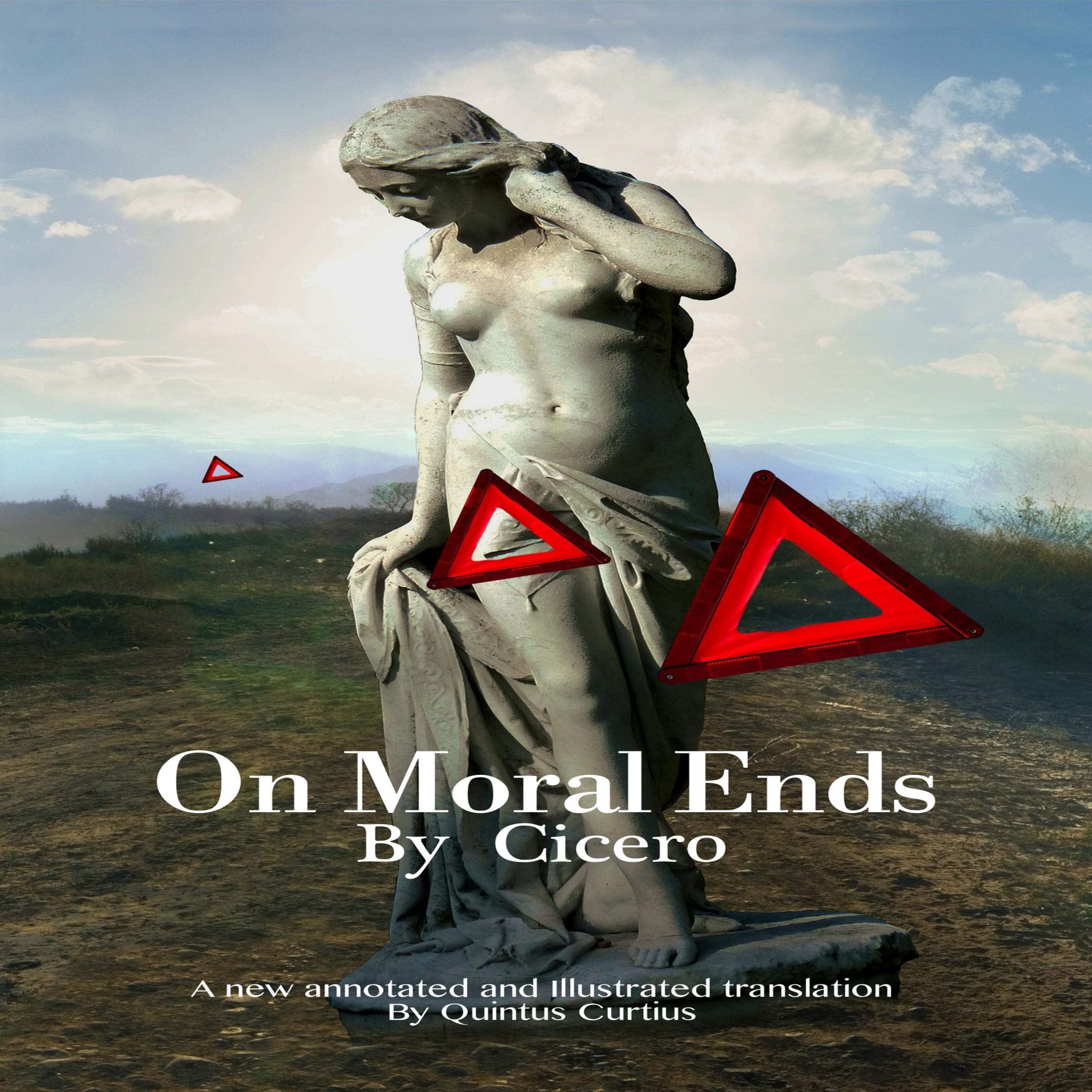
desertcart.com: On Moral Ends (Audible Audio Edition): Quintus Curtius, Saethon Williams, Cicero, Fortress of the Mind: Audible Books & Originals Review: Highly Recommended: Quintus Curtius sets the standard by which all other translators are measured - It is not hard to find translations of Cicero. Often there are scores of English translations available, each providing a slightly different flavor of the same text. For some reason, Cicero is not as well studied as he was even a century ago but there is still interest. And more than 2060 years after his death we still find the occasional new translation coming out—usually a dull attempt that does little to bring any life to the text. This translation, however, is something special. And that is because of the wonderful synergy between Cicero and his most recent translator—Quintus Curtius. Quintus Curtius is the pseudonym of an attorney, author, translator, educator, and former US Marine with a passion for the classics, great men, and great endeavors. Quintus is a man with a keen and discerning eye for details and he has succeeded in reviving several classical texts including both Cicero’s On Duties and his Stoic Paradoxes. Now Quintus has turned his attention to a much more herculean task in translating On Moral Ends. And over the course of 365 pages he reimagines the duty of a translator in the process. With most classical translations you purchase a book, get a quick introduction (if you are lucky), and then plunge straight into text. Often you find that, while the text is in English, it doesn’t feel that way. There isn’t the flow of words you experience with a talented writer. You may also notice that there are words, phrases, and references that don’t make sense. So you have a choice: slog through and do the best you can, put the book down and read someone else’s interpretation, or just assume reading classical philosophy is too difficult to understand, too alien from today’s world. With this version of On Moral Ends, however, none of these problems exist. The translation is top notch and compares very favorably to other versions of On Moral Ends I have reviewed. We must remember that Cicero was one of the finest lawyers in the Roman Republic and certainly the best orator in history. On top of that, Cicero believed in the spirit of the Roman Republic and fought for it with his voice and his words. Recall that Quintus Curtius is a practicing trial lawyer, just like Cicero was, and is also a United States Marine. Quintus, through his personal vocations, understands the mentality of a man who steadfastly serves his nation and the way an attorney prepares a case that will be decided by a jury. No other translator has offered such a similar understanding of Cicero. And it shows when we read the text. This volume also includes 461 footnotes that explain critical references or point out important items. There is a foreword that explains the structure of the book and an introduction that provides a concise overview of Cicero, his works, and the three major philosophical schools that are to be reviewed. After each of Cicero’s ‘books’ (we’d call the chapters) Quintus has written a commentary to sum up what we’ve read. A unique spin is given on the table of contents—Quintus has marked the text with subsections and has given a one to three line overview of the subject addressed within the subsection. This allows a student to easily reference a specific part of the text or obtain a bare-bones understanding of the entire book in 9 pages. Anyone interested in philosophy will immediately want this feature in every philosophic book he or she reads in the future. Another feature present in this translation and no others is unique photography and illustrations. Quintus Curtius travelled to Italy and Greece specifically to walk the path of Cicero and photograph what he found. He then strategically placed these pictures (as well as some illustrations) throughout the text. This has a positive effect on the reader and helps to refresh one’s mind as we are trying to understand the complex topics at hand. They also offer flavor—we can see the natural beauty of places Cicero walked and get a sense of how this impacted his writing. I imagine this had a positive impact on the translation as well. Overall, this is a fabulous book and should be the minimum standard for translations. If both current and future Classicists used this arrangement as a template and put as much effort into staying true to the voice and spirit of the original author, perhaps it wouldn’t be so difficult to get people to review the critical wisdom of those who created Western Civilization. Quintus Curtius should be commended for the care and dedication he put into this volume. He has successfully bridged a two thousand year cultural gap and helped one of our most beloved ancestors feel like our contemporary. Do yourself a favor and choose this version. You will not be disappointed. Review: The Finest English Translation Available - I'll try not to restate what the other reviews have articulated so well. The Foreword to this work lays out the author's goals clearly and I believe he achieved them perfectly. Having read previous works by this author, it is evident that he has honed his craft over time and skillfully tackled this dense material with a great appreciation for the special place De Finibus deserves. So many English translations of Cicero fall into the trap of becoming a impenetrable wall of meandering text, but you will not find that here. This author has a rare talent for being able to construct clear sentences in modern English usage, while at the same time his great sensitivity to the nuances present in both languages brings a three-dimensional quality to the the participants. The title page tells you all you need to know: "With Notes, Commentary, Illustrations, And Index". The book excels in all of these areas and they work together like a well-oiled machine.
A**A
Highly Recommended: Quintus Curtius sets the standard by which all other translators are measured
It is not hard to find translations of Cicero. Often there are scores of English translations available, each providing a slightly different flavor of the same text. For some reason, Cicero is not as well studied as he was even a century ago but there is still interest. And more than 2060 years after his death we still find the occasional new translation coming out—usually a dull attempt that does little to bring any life to the text. This translation, however, is something special. And that is because of the wonderful synergy between Cicero and his most recent translator—Quintus Curtius. Quintus Curtius is the pseudonym of an attorney, author, translator, educator, and former US Marine with a passion for the classics, great men, and great endeavors. Quintus is a man with a keen and discerning eye for details and he has succeeded in reviving several classical texts including both Cicero’s On Duties and his Stoic Paradoxes. Now Quintus has turned his attention to a much more herculean task in translating On Moral Ends. And over the course of 365 pages he reimagines the duty of a translator in the process. With most classical translations you purchase a book, get a quick introduction (if you are lucky), and then plunge straight into text. Often you find that, while the text is in English, it doesn’t feel that way. There isn’t the flow of words you experience with a talented writer. You may also notice that there are words, phrases, and references that don’t make sense. So you have a choice: slog through and do the best you can, put the book down and read someone else’s interpretation, or just assume reading classical philosophy is too difficult to understand, too alien from today’s world. With this version of On Moral Ends, however, none of these problems exist. The translation is top notch and compares very favorably to other versions of On Moral Ends I have reviewed. We must remember that Cicero was one of the finest lawyers in the Roman Republic and certainly the best orator in history. On top of that, Cicero believed in the spirit of the Roman Republic and fought for it with his voice and his words. Recall that Quintus Curtius is a practicing trial lawyer, just like Cicero was, and is also a United States Marine. Quintus, through his personal vocations, understands the mentality of a man who steadfastly serves his nation and the way an attorney prepares a case that will be decided by a jury. No other translator has offered such a similar understanding of Cicero. And it shows when we read the text. This volume also includes 461 footnotes that explain critical references or point out important items. There is a foreword that explains the structure of the book and an introduction that provides a concise overview of Cicero, his works, and the three major philosophical schools that are to be reviewed. After each of Cicero’s ‘books’ (we’d call the chapters) Quintus has written a commentary to sum up what we’ve read. A unique spin is given on the table of contents—Quintus has marked the text with subsections and has given a one to three line overview of the subject addressed within the subsection. This allows a student to easily reference a specific part of the text or obtain a bare-bones understanding of the entire book in 9 pages. Anyone interested in philosophy will immediately want this feature in every philosophic book he or she reads in the future. Another feature present in this translation and no others is unique photography and illustrations. Quintus Curtius travelled to Italy and Greece specifically to walk the path of Cicero and photograph what he found. He then strategically placed these pictures (as well as some illustrations) throughout the text. This has a positive effect on the reader and helps to refresh one’s mind as we are trying to understand the complex topics at hand. They also offer flavor—we can see the natural beauty of places Cicero walked and get a sense of how this impacted his writing. I imagine this had a positive impact on the translation as well. Overall, this is a fabulous book and should be the minimum standard for translations. If both current and future Classicists used this arrangement as a template and put as much effort into staying true to the voice and spirit of the original author, perhaps it wouldn’t be so difficult to get people to review the critical wisdom of those who created Western Civilization. Quintus Curtius should be commended for the care and dedication he put into this volume. He has successfully bridged a two thousand year cultural gap and helped one of our most beloved ancestors feel like our contemporary. Do yourself a favor and choose this version. You will not be disappointed.
M**P
The Finest English Translation Available
I'll try not to restate what the other reviews have articulated so well. The Foreword to this work lays out the author's goals clearly and I believe he achieved them perfectly. Having read previous works by this author, it is evident that he has honed his craft over time and skillfully tackled this dense material with a great appreciation for the special place De Finibus deserves. So many English translations of Cicero fall into the trap of becoming a impenetrable wall of meandering text, but you will not find that here. This author has a rare talent for being able to construct clear sentences in modern English usage, while at the same time his great sensitivity to the nuances present in both languages brings a three-dimensional quality to the the participants. The title page tells you all you need to know: "With Notes, Commentary, Illustrations, And Index". The book excels in all of these areas and they work together like a well-oiled machine.
D**Z
THIS is the new standard
There are very few translations of Cicero's De Finibus out there, and this one is by far the best. In fact, none of the others even compare. It has set a whole new standard, and in one stroke has swept away the stodgy, outdated translations of the past. I wish I had had this book about ten years ago when I first became interested in these subjects, because it would have saved me a lot of agony and effort. To make a long story short, this guy has done the work. He has done the "heavy lifting." The English prose in the translation is clear, direct, and faithful to the original. The dialogues are arranged in ways that greatly improve comprehension. And it is the other features that make this book special. No one has ever bothered to show readers what Cumae, Tusculum, and Plato's Academy actually look like. The book is filled with photographs that show us all these little details. With the topical table in the beginning, I can finally see what the subjects are in each book and chapter. All in all, this is a thoroughly enjoyable reading experience, and a milestone in classical translation.
M**E
This book delivers a well-organized and important perspective on understanding and cultivating a deep sense of purpose in life. The author, Quintus Curtius, has done a fantastic job of translating, allowing the reader to follow through the book with sustained interest. This book is an excellent resource for students, teachers and philosophical enthusiasts.
Trustpilot
5 days ago
3 weeks ago